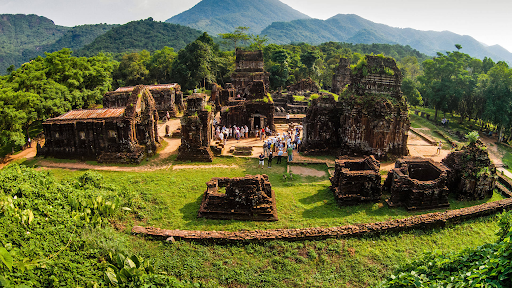
Two days may not be enough to see everything Da Nang has to offer.
But with a good balance of nature, culture, food, and time by the sea, 48 hours is enough to experience why this coastal city has become one of Central Vietnam's most loved destinations.
The key is simple: don't try to do everything.
Instead, build your trip around a few experiences that show you different sides of Da Nang.
Day 1: Start with the city and the sea
Morning: Discover Da Nang's local rhythm
Start your first morning with breakfast the local way.
A bowl of mì Quảng, a plate of bánh mì, or a simple Vietnamese coffee can be the perfect introduction to the city. Da Nang's food culture is one of the easiest ways to understand its character - casual, flavorful, and deeply local.
After breakfast, explore the city center and the Han River.
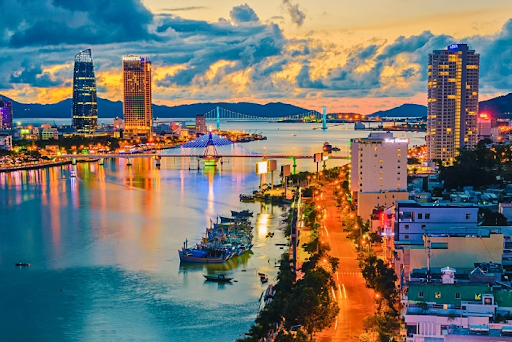
The Dragon Bridge is one of Da Nang's most recognizable landmarks, but don't stop at taking a photograph. Walk along the river, explore the surrounding streets, and take in the contrast between the modern city and the traditional life that still exists around it.
Afternoon: Escape to Son Tra Peninsula
When the city gets warmer, head toward Son Tra Peninsula.
Often called Monkey Mountain, Son Tra is one of Da Nang's most remarkable natural areas. The peninsula rises dramatically from the coast, with forested hills overlooking the sea.
The journey itself is part of the experience.
Along the way, you'll find panoramic viewpoints, winding roads, coastal scenery, and opportunities to see the area's distinctive wildlife. If you're lucky, you may even spot the red-shanked douc langur, one of the most remarkable species associated with Son Tra.
Give yourself enough time to stop and enjoy the views. This isn't a place to rush through.
Evening: Da Nang by night
Return to the city as the sun goes down.
Spend the evening along the Han River or head toward the beach. My Khe Beach is particularly beautiful around sunset, when the busy daytime coastline begins to become quieter.
For dinner, explore Da Nang's local food scene. From seafood restaurants to small neighborhood eateries, there is no shortage of options.
And don't forget dessert.
A little street food after dinner can be the perfect ending to your first day.
Day 2: Mountains, heritage, and something unexpected
Morning: Explore Marble Mountains
Start your second day with the Marble Mountains.
The cluster of limestone and marble hills is one of Da Nang's most fascinating cultural and natural attractions. Caves, temples, viewpoints, and stone-carving traditions come together here to create an experience that feels very different from the modern city below.
Take your time exploring the caves and pagodas, and don't miss the viewpoints overlooking the surrounding landscape.
A little historical context can make the experience even more interesting. Rather than simply moving from one attraction to another, learn about the stories and traditions connected to the site as you explore.
Afternoon: Choose your own adventure
This is where you can personalize your trip.
Want more culture? Visit a museum and discover the history of Central Vietnam.
Prefer something more relaxed? Spend the afternoon at the beach.
Looking for something active? Explore the city by bicycle.
Traveling with children? Look for family-friendly experiences and attractions.
The best 48-hour itinerary isn't necessarily the one with the most stops. It's the one that matches your interests.
Make exploring easier
Da Nang is relatively easy to navigate, but having the right information at the right moment can make a big difference.
A digital tourism map can help you discover attractions, understand where they are in relation to each other, and plan your route without constantly switching between different apps and websites.
And if you're visiting attractions that offer audio guides, listening in your own language can turn a quick visit into a much richer experience.
That's the idea behind Trippass: make discovering a destination feel simpler, more flexible, and more connected.
 Hoi An